
Quote Stories
When the Press Learned to Listen
A neglected apple press finds a new season through patient experiments and shared curiosity.

Irena was halfway through pricing her old apple press when three children arrived with a question, a crate of bruised apples, and no intention of taking no for an answer.
“Could we borrow it until Saturday?” asked Mara, the tallest of them.
“Borrowing is what people do with things that still work,” Irena said.
The press stood behind her stone shed, its wooden handles silvered by weather. Once, it had groaned from dawn until dusk each autumn. Now fallen apples softened beneath the trees, and the press gathered dust beneath a canvas sheet.
“We’re testing which apples make the best juice,” said Olek. “We have charts.”
He held up three pages covered in careful columns.
Irena glanced at them. “Your charts don’t include ripeness.”
“That’s why we need someone who knows what she’s doing,” said Mara.
The flattery was transparent. It was also accurate.
Irena agreed to one afternoon.
They sorted fruit by color, firmness, and scent. They washed the apples, crushed them, and turned the press until amber juice ran into a bucket. The children tasted it solemnly.
Mara made a face. “It tastes like a wet cupboard.”
Irena tasted it. “Too much bitter peel. And you pressed the bruised fruit with the sweet.”
“Can we try again?” Olek asked.
Irena looked toward the old railway halt below the orchard. The evening train gave a single distant whistle. Selling the press suddenly seemed less urgent than it had that morning.
They tried again with three varieties. One batch was sharp, one thin, and one pleasantly sweet. They recorded everything: the weather, the storage time, the hour of pressing. When a jar clouded overnight, Irena showed them how to inspect it, discard it safely, and revise their notes.
The children began arriving with other questions—and other apples. A grower sent windfall fruit in a flour sack. A widow contributed a tart variety from the tree behind her kitchen. Two brothers brought apples too small for market stalls but perfect for testing.
Soon Irena’s shed filled with voices, pencil shavings, and the clean, grassy smell of fresh juice.
Their final batch was intended for the cooperative food hall’s autumn gathering. They chose a blend of sweet, tart, and fragrant apples, then stored the juice in carefully labeled jars.
On the morning of the tasting, a cold snap delayed the train and kept several growers away. Irena expected the tables to look nearly empty.
Instead, the children had changed the plan. They set out recipe cards, jars of preserves, baskets of fruit, and blank slips of paper headed: “What do you know that someone else might need?”
By noon, the gathering had become an exchange. People traded cider recipes, pruning tips, storage tricks, and stories about trees that had survived difficult years. The small apples disappeared first.
Mara handed Irena a card. On it, someone had written: “Ask Irena about keeping a press useful.”
Irena laughed. “That sounds like work.”
“It is,” Mara said. “But you’re good at it.”
That evening, Irena wiped the press clean. She did not put it up for sale. Instead, she hung a second bell beside the shed door—the first to call people in, the second to remind them when a new batch was ready.
By spring, the children had filled three notebooks. Irena had learned their favorite questions. The orchard had not suddenly become easy, but nothing in it seemed wasted anymore—not the fruit, not the failed batches, and certainly not the knowledge waiting for a listener.
Related Quote Stories

When Desks Learned to Bend
Nera’s first folding desk collapsed under the weight of a single book. Hiding the failure would be easy; inviting others to inspect it would be harder—and far more useful.
Read Story →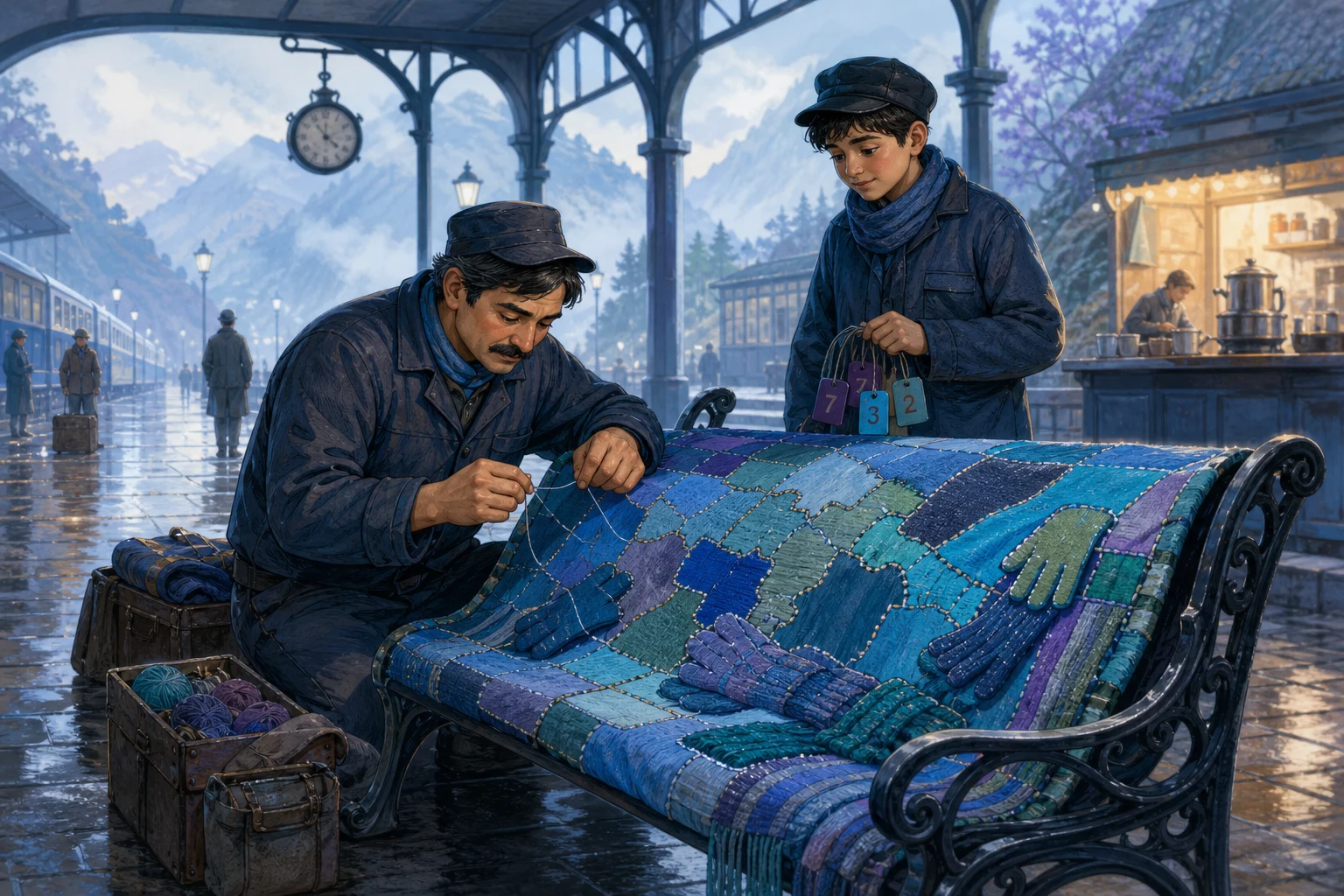
A Map Woven in Blue
Ilya’s patchwork bench covers began with lost gloves and ended as a map everyone could help complete.
Read Story →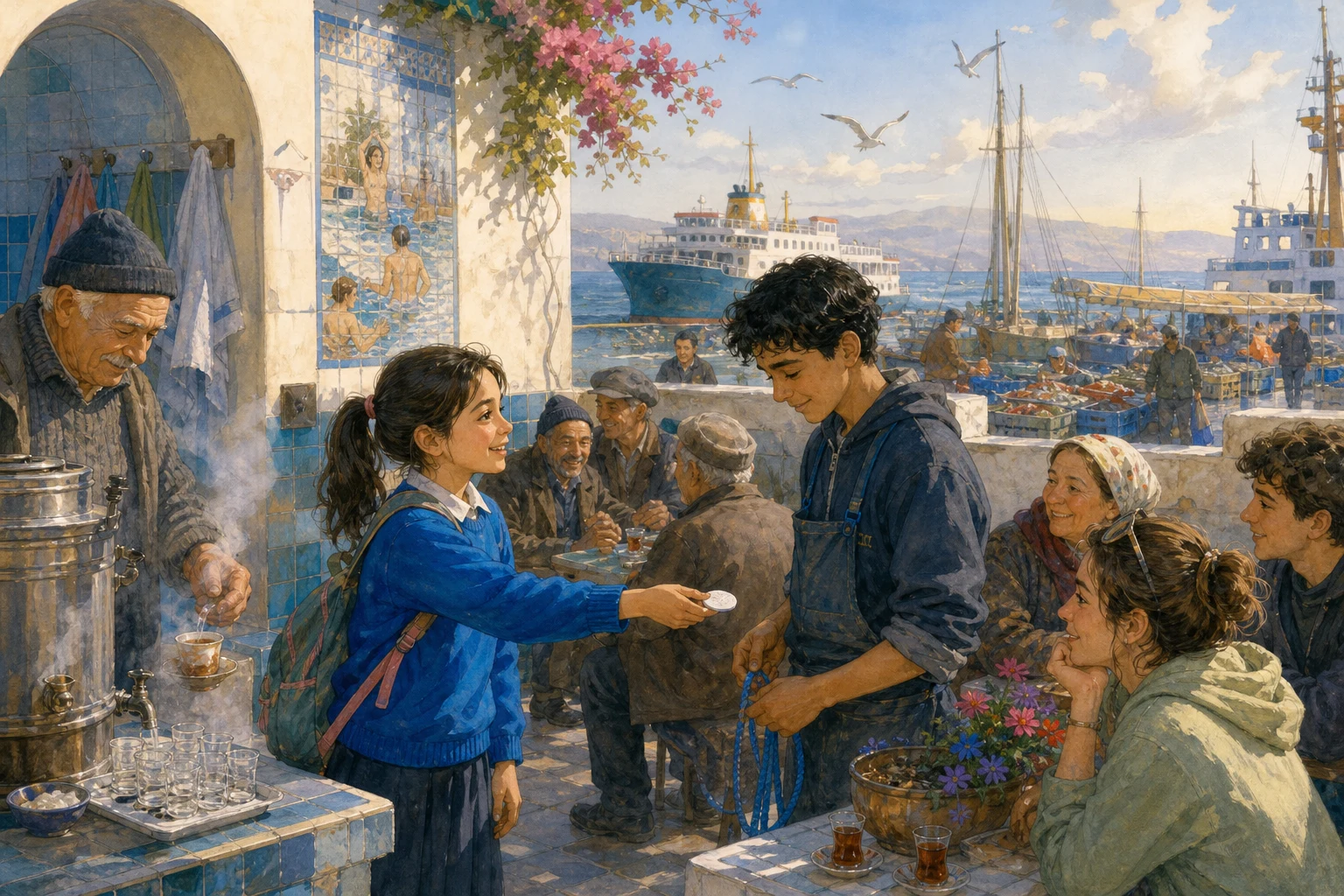
The Hour Nobody Owned
Mina’s first community hour is lively, crowded, and almost entirely controlled by the loudest guests. A ferry cleaner, a brass token, and one patient adjustment teach her what true hospitality requires.
Read Story →