
Quote Stories
Wind Has a Way of Answering
Mara learns that a better design begins with paying attention.

“Don’t add another ribbon,” Mara’s grandmother said. “Find out why it tore.”
Mara looked at the pieces scattered across the red-earth courtyard. Her kite had been magnificent five minutes earlier: blue paper, yellow streamers, and a painted sun rising over the mountains. Now its bamboo ribs lay exposed, and one of Grandmother’s green tailoring scraps fluttered from a rooftop water tank.
The neighborhood flying contest was three days away. Mara had imagined the judges lifting her kite above the others and calling her name. Instead, the wind had folded it in half like a bad letter.
She gathered the wreckage and climbed the steep path to the old observatory, where Ilyas kept jars of rainwater, brass instruments, and notebooks filled with weather marks. He had once watched the sky for the city’s airfield. Now he watched it because, as he said, “the clouds still have things to say.”
“Your frame was too stiff,” Ilyas told her after examining the broken kite. “A gust is not a wall. It moves around what resists it.”
Mara disliked this answer. It sounded less like a solution than a riddle.
So she began asking questions. At the open-air school, she asked younger children where their kites failed. One said the tail tangled. Another said the paper split near the corners. A quiet boy named Tavi showed her a kite that always tipped left.
Mara had planned to make one perfect kite. Instead, she filled three pages with other people’s problems.
She tested frames on the ridge above the city. The first bent too far. The second held firm but spun like a wheel. Tavi suggested replacing one solid joint with a loop of thread. Mara tried it, expecting the frame to collapse.
It flexed, then settled.
“Again,” Tavi said.
Soon three children were testing kites beside her. They marked gusts with scraps of chalk on the stones. They traded paper, thread, and guesses. Mara taught them how to change one part at a time, though she was learning the same patience herself.
On contest morning, the ridge filled with bright paper shapes. Mara brought her newest kite, built from flexible joints and patched with Grandmother’s cloth. It rose cleanly, dipped through a sudden crosswind, and recovered.
Then Mara saw Tavi standing apart, clutching a plain paper kite. His older sisters had made it from a grocery sack, and its frame was crooked.
Mara looked at her own kite. It was the strongest she had ever made. It might win.
She handed it to Tavi.
“Hold the line loosely,” she said. “Let it tell you where the wind is going.”
His hands shook as he launched it. For one breath, the kite sagged. Then the flexible frame opened, caught the air, and climbed above the rooftops.
Tavi laughed. The children cheered. Mara felt the contest’s prize slipping away—and felt something larger take its place.
By sunset, the ridge was full of kites built from scraps, thread, patience, and shared advice. Mara’s grandmother sat nearby, mending a torn sleeve.
“Did your kite win?” she asked.
Mara watched Tavi guide the blue-and-yellow kite through the evening wind.
“It helped,” she said.
Grandmother nodded. “That is a useful kind of flying.”
Related Quote Stories
Routes by Memory
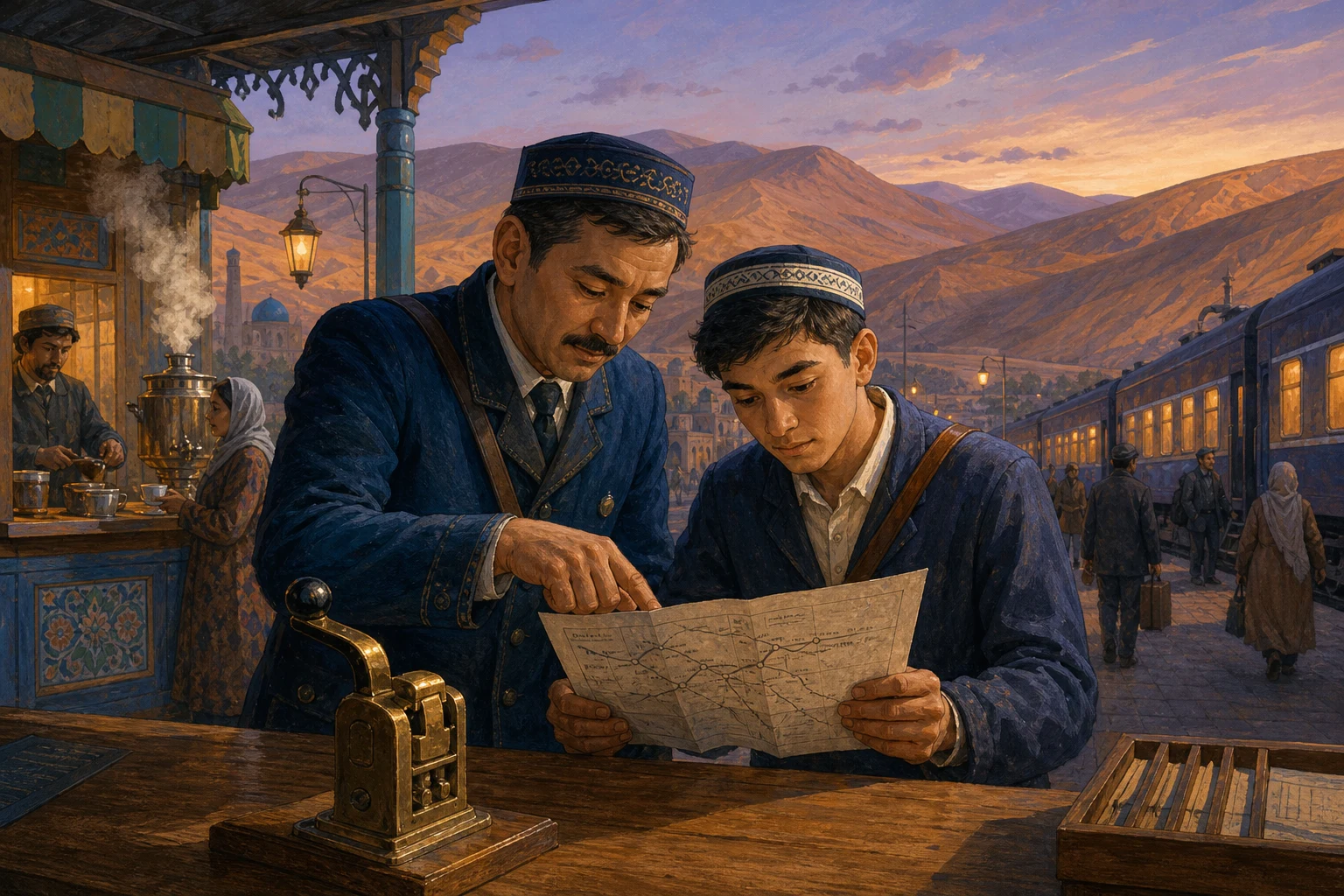
Anik can recite every departure by number. Laleh remembers them by the people and landscapes along the way. When her family responsibilities make memorization difficult, the station’s strictest inspector must learn a new way to teach.
Read Story →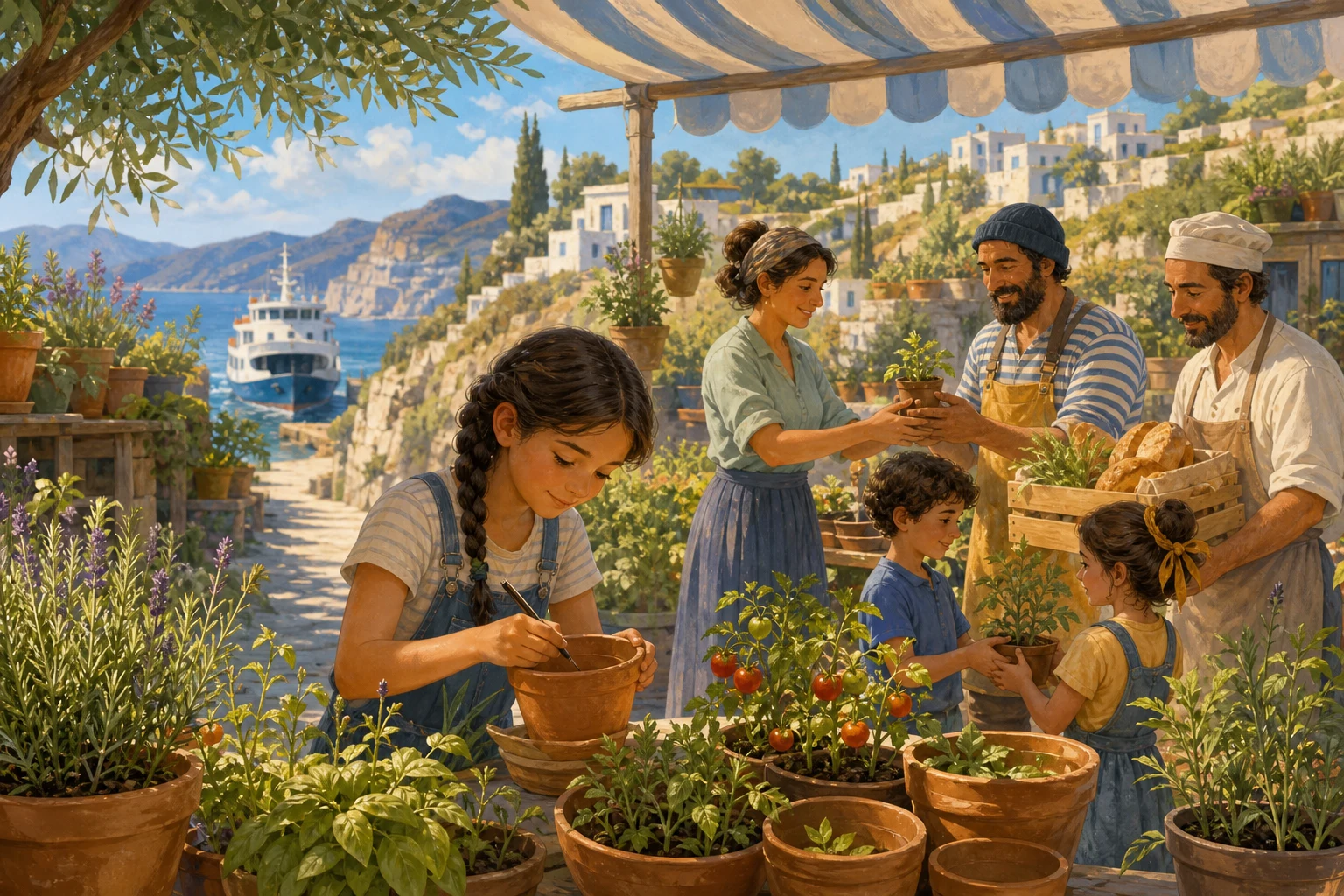
What Each Pot Knows
Eleni’s first plant labels contain everything except what her customers need. To fix them, she asks the island’s gardeners, cooks, and children to share what they know.
Read Story →
A Table with No Original Shape
Oren trusted wood because it never pretended to be undamaged. But when a cracked table arrives from the youth shelter with half its pieces missing, restoration becomes a question no chisel can answer alone.
Read Story →