
Quote Stories
What the Crates Taught Him
A caretaker learns that a harvest can be shared before it is gathered.

By sunrise, the first pear had rolled beneath the sorting table.
Bastian caught it before it reached the open door, wiped away a streak of dust, and placed it in the blue crate marked for market. Then he looked toward the orchard.
The trees were already bright with fruit.
Usually, the harvest arrived in a patient wave: early pears, then the yellow plums, then the late apples that could hang through the first cool nights. But this year the river plain had warmed too soon. Every variety seemed ready at once. The packing shed filled with baskets before breakfast, and the wooden tables groaned beneath them.
Bastian had kept records of every tree for twenty-three years. His ledgers named the oldest pear, the first apple planted after the flood, and the plum tree that produced its sweetest fruit only when the irrigation channel ran low. He trusted measurements, labels, and his own hands.
He did not trust hurried workers.
“Three tables,” said Lio, one of the temporary harvesters, pointing at the crowded shed. “If we sort by size on one, color on another, and keep the soft fruit aside, we might finish before dark.”
“We already have a system,” Bastian replied.
Lio glanced at the single table, where Bastian was examining each pear as though it were a rare instrument. “It seems to be a slow system.”
Bastian invited three workers to help anyway. He showed them how he arranged the crates: firm fruit nearest the door, delicate varieties in the shade, blemished pieces in a basket for the cooks’ cooperative. Then he returned to the orchard.
When he came back, the shed was quiet.
The new arrangement had failed. The workers had built a sloping wooden chute to move fruit faster. It was clever, smooth, and far too steep. Pears gathered speed, struck the crate at the bottom, and bruised against one another. Several boxes had to be emptied and sorted again.
Bastian stood over the damaged fruit. Brown marks were spreading beneath the skins.
“I told you,” he said.
Lio folded his arms. “You told us your way was better. You didn’t tell us why.”
That evening, Bastian carried the bruised crates to the weekly food cooperative. He expected complaints. Instead, the cooks inspected the fruit and began making plans.
“These will soften by morning,” said Mara, who prepared preserves. “We can use them for sauce.”
“Some are still good for lunch boxes,” said another cook. “The children prefer slices to perfect shapes.”
Bastian looked at the pears again. He had recorded their weight, color, and harvest hour. He had never written down what they were good for after a mistake.
The next morning, he brought a clean ledger to the shed.
“We are going to test systems,” he announced.
Lio raised an eyebrow. “Yours?”
“Ours.”
They built three sorting stations. At the first, workers used padded baskets and moved fruit by hand. At the second, they tried shallow wooden rollers. At the third, they placed folded cloth between the crates and changed the angle of the chute.
Nothing worked perfectly. The rollers were quick but rough on thin-skinned plums. The padded baskets were gentle but slow. The cloth-lined chute worked for apples and failed for pears.
Bastian wrote down every result.
By midday, two schoolchildren arrived with their teacher. They were studying local agriculture and wanted to see the ledgers. Bastian nearly sent them to the orchard, but one child noticed that the smallest pears had fewer bruises when placed in wide, shallow trays.
“Because they don’t fall as far,” she said.
Bastian measured the trays. She was right.
Soon, the cooks were testing fruit for different recipes, the harvesters were suggesting changes to the tables, and the children were drawing diagrams in the margins of Bastian’s notebook. Someone labeled one basket “too soft for market, perfect for jam.” Someone else added “best eaten today” beneath it.
The notes were untidy. They were also useful.
For a week, the shed became a workshop. Every failed idea earned a mark, every successful adjustment earned a star. Bastian learned that Lio could judge a ripe pear by the sound it made when set down. Mara knew which apples held their shape in a pie. The children noticed patterns adults had overlooked because they were willing to watch one small detail for a long time.
At last, the harvest moved smoothly. Fruit arrived from the orchard, passed through the gentler stations, and left in crates marked not only for size and appearance but for purpose: market, lunch, preserving, baking, and sharing.
Bastian copied the tested methods into a new handbook. On the first page, he wrote the names of everyone who had changed it.
At the end of the season, the workers gathered beneath the oldest pear tree. The river shone beyond the irrigation channels, and the empty packing shed smelled faintly of apples and straw.
Lio turned through the handbook. “You left space at the back.”
“For next season’s improvements,” Bastian said.
“You’re expecting us to change it again?”
Bastian looked toward the shed, where the first training schedule hung beside the door. It included returning workers, new harvesters, cooks, and a school visit timed for the early pears.
“I’m expecting you to notice something I haven’t.”
The old caretaker opened his ledger to the page for the pear tree beneath which they stood. Beside the tree’s age, yield, and harvest dates, he added one final line:
Knowledge kept in one pair of hands is a record. Knowledge placed in many hands becomes a future.
Related Quote Stories
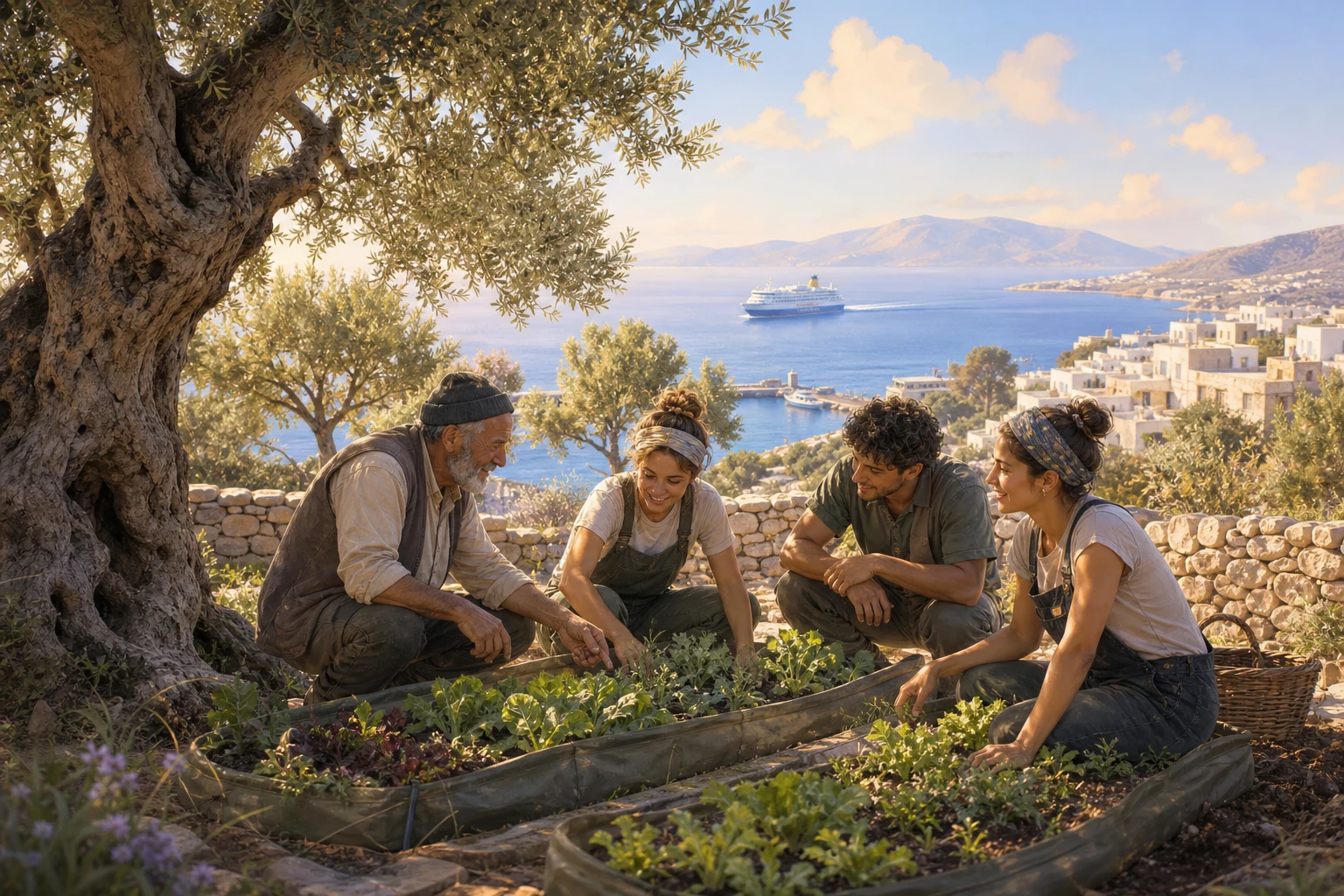
Where the Shade Falls
Tomas had already measured the orchard for sale when three young workers asked whether they could borrow it for one afternoon.
Read Story →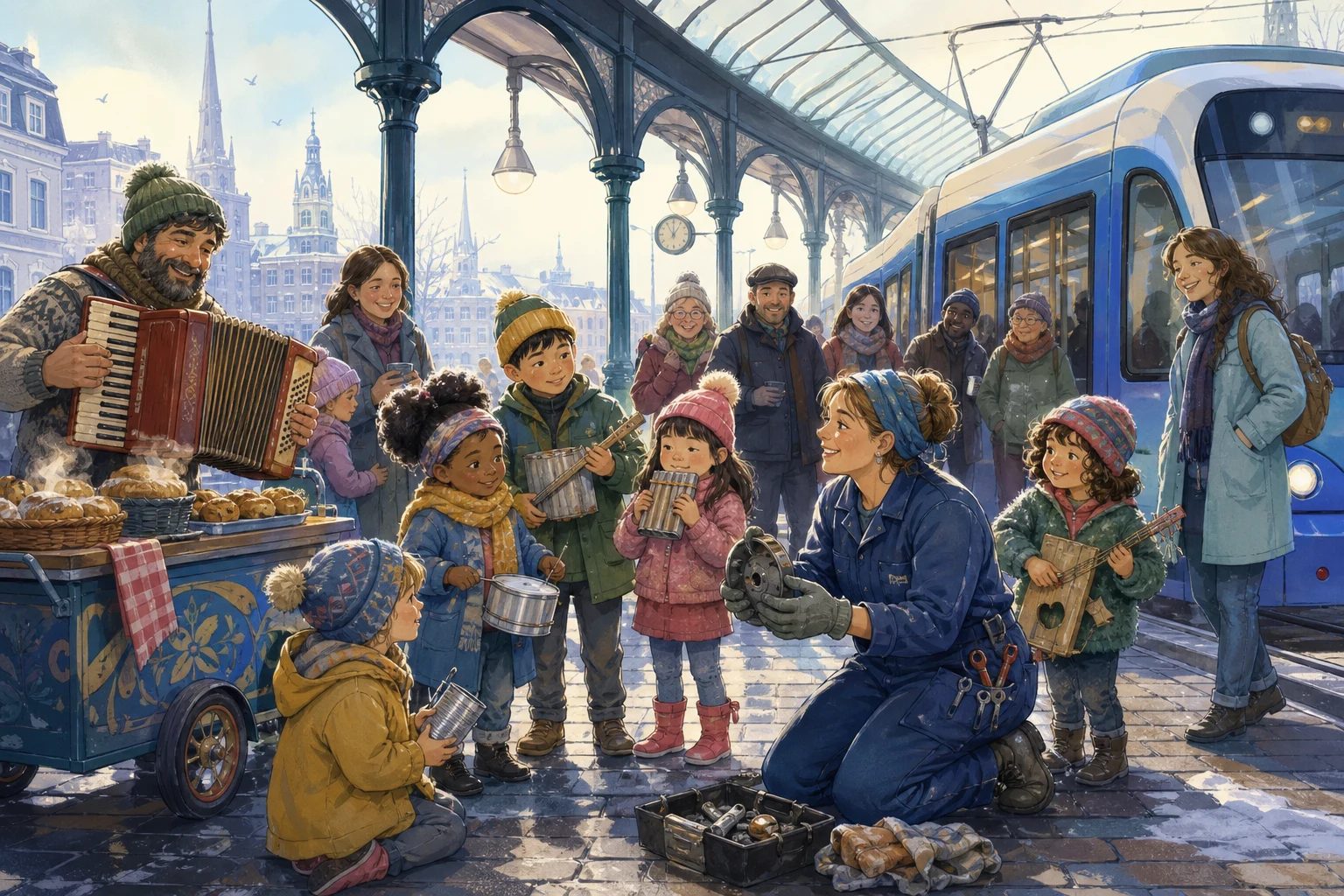
A Tune for Every Pocket
Celia could repair almost anything with a spring, a screwdriver, and enough patience. Her niece’s silence in music class required something different.
Read Story →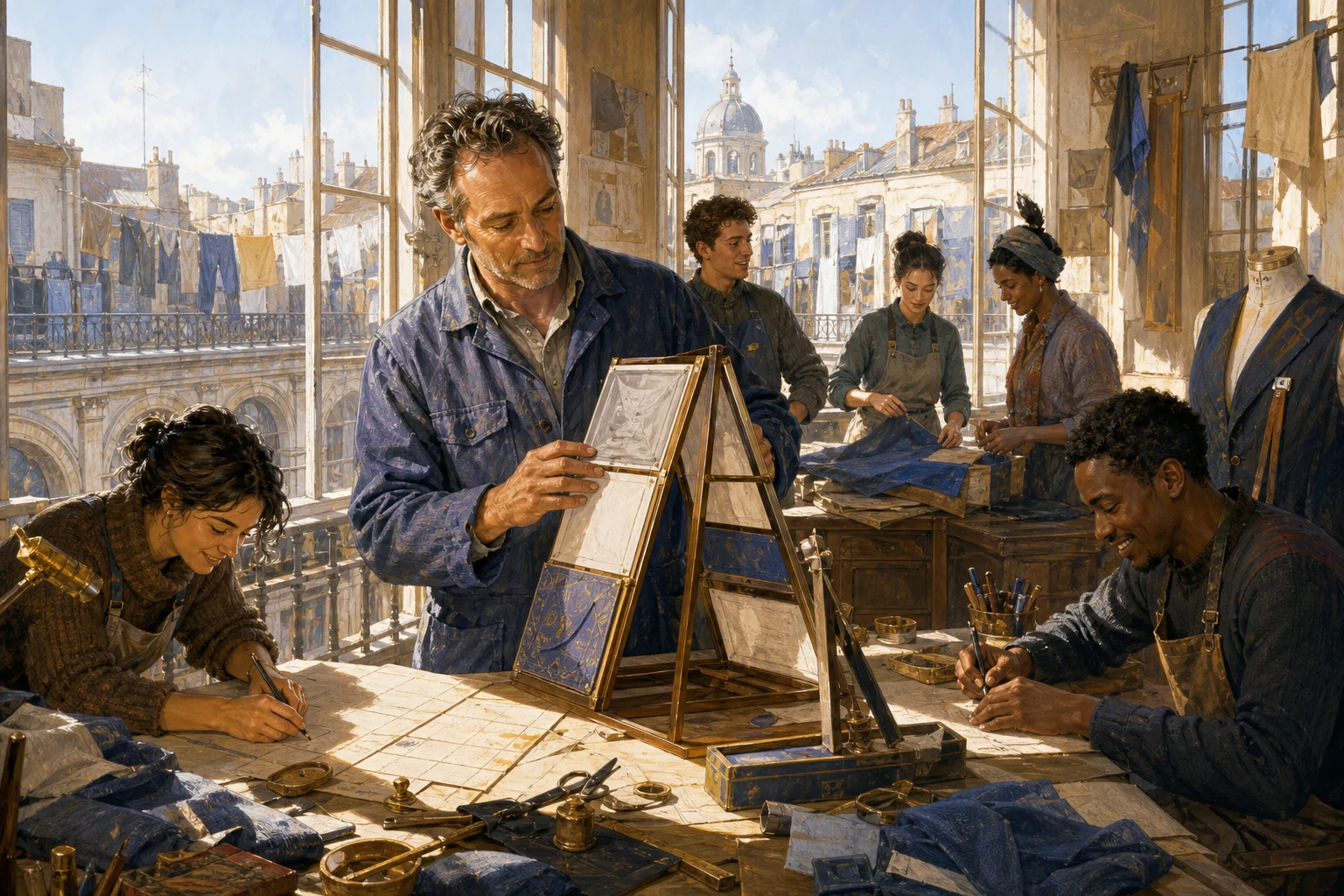
A Table for Starting Over
Soren wanted the room above the tailoring arcade for himself. Then a broken model, a dented floor, and several determined apprentices persuaded him to unlock the door.
Read Story →