
Quote Stories
What the Ledger Couldn’t Count
Yara learns that a useful system must make room for people.

The ledger slid off Yara’s knee when the footbridge tilted beneath her.
She caught it against a post, saving the pages but not the ink. A blue line ran from Tuesday’s honey delivery to Saturday’s guava harvest, crossing three columns and ending in a damp thumbprint.
“Your book is trying to escape,” called Sima from her floating garden.
“It has nowhere better to go,” Yara said.
She tucked the ledger beneath her arm and stepped carefully along the raised planks. Around her, the marsh gleamed between mangrove roots. Hummingbirds flickered over flowering vines, and small boats nudged the garden platforms tied together beyond the market docks.
Yara kept accounts for the public market and tended six honey sheds behind her house. She liked numbers because they stayed where she put them. Lately, however, the growers’ numbers had begun colliding.
One farmer had too many starfruit and no truck. Another needed pollinators the week her bees were already promised elsewhere. A third harvested herbs on Thursday but could not reach the market until Sunday. Good food spoiled while empty carts traveled past one another.
So Yara had made a ledger.
Each page held names, quantities, flowering dates, boat routes, and places for signatures. She called the system the Hummingbird Exchange, partly because hummingbirds visited every garden and partly because she liked the sound of it.
For two weeks, the pages looked magnificent.
Then nearly everything went wrong.
A basket of guavas waited at the wrong dock. Three crates of peppers arrived after the market closed. Yara sent a boat to collect honey from a grower who had written “Friday,” though she meant Friday evening, after her children returned from lessons. By sunset, Yara had crossed out so many entries that the page resembled a net full of holes.
At the market, Sima examined the mess.
“You counted the peppers,” she said. “You counted the boats. You counted the hours.”
“I did.”
“You forgot the people inside them.”
Yara almost objected. Then she remembered Sima’s daughter waiting at the footbridge, the baker’s early morning shift, and the boatman who could travel only when the tide turned.
The next morning, Yara carried the ledger to the shade beside the honey sheds. She did not bring a pen.
“Tell me when you can actually go,” she said.
The growers laughed at first. Then they began.
Sima could load fruit after dawn but not before. The baker could make deliveries on Mondays and Thursdays, provided someone helped carry the baskets. Old Ren could lend his flat-bottomed boat at high tide, though he preferred not to steer after dark. Two younger growers had no surplus produce yet, but they had time to sort, label, and repair crates.
Yara listened until the page filled with arrows, stars, tide marks, children’s lesson times, and one drawing of a sleepy dog who apparently occupied an important loading space.
Together, they rebuilt the exchange.
Instead of assigning every task to the nearest available person, they formed small rotating crews. Each crew included a grower with produce, someone with transport, and someone with time to sort or sell. The ledger gained a second page: “What would make this easier?”
The first new route carried herbs, honey, and baskets of green plums along the eastern footpaths. It arrived before noon. The next week, a shared boat delivered seedlings to three floating gardens and returned with empty crates.
No page stayed perfect. Weather shifted. Ropes snapped. Once, a duck nested in a basket reserved for peppers, forcing the entire schedule to move around her.
But now the growers adjusted the system themselves.
By the end of the season, Yara no longer sat alone at the market table. People came with updates, suggestions, and fresh pages. Someone painted a hummingbird on the ledger’s wooden cover. Someone else added a column for “who has room on the way back.”
One evening, Yara watched a boat cross the glowing marsh. Its cargo was modest: six jars of honey, two baskets of fruit, and a bundle of flowering cuttings. Its crew was equally modest—Sima, the baker, and Ren’s granddaughter, who had learned to steer.
Yara opened the ledger, then closed it again.
For once, nothing needed correcting.
The hummingbirds moved between the gardens, never following a straight line for long. Yara understood them better now. A good route was not always the shortest one. Sometimes it was the path that noticed who was waiting, who had time, and who could carry something home.
Related Quote Stories
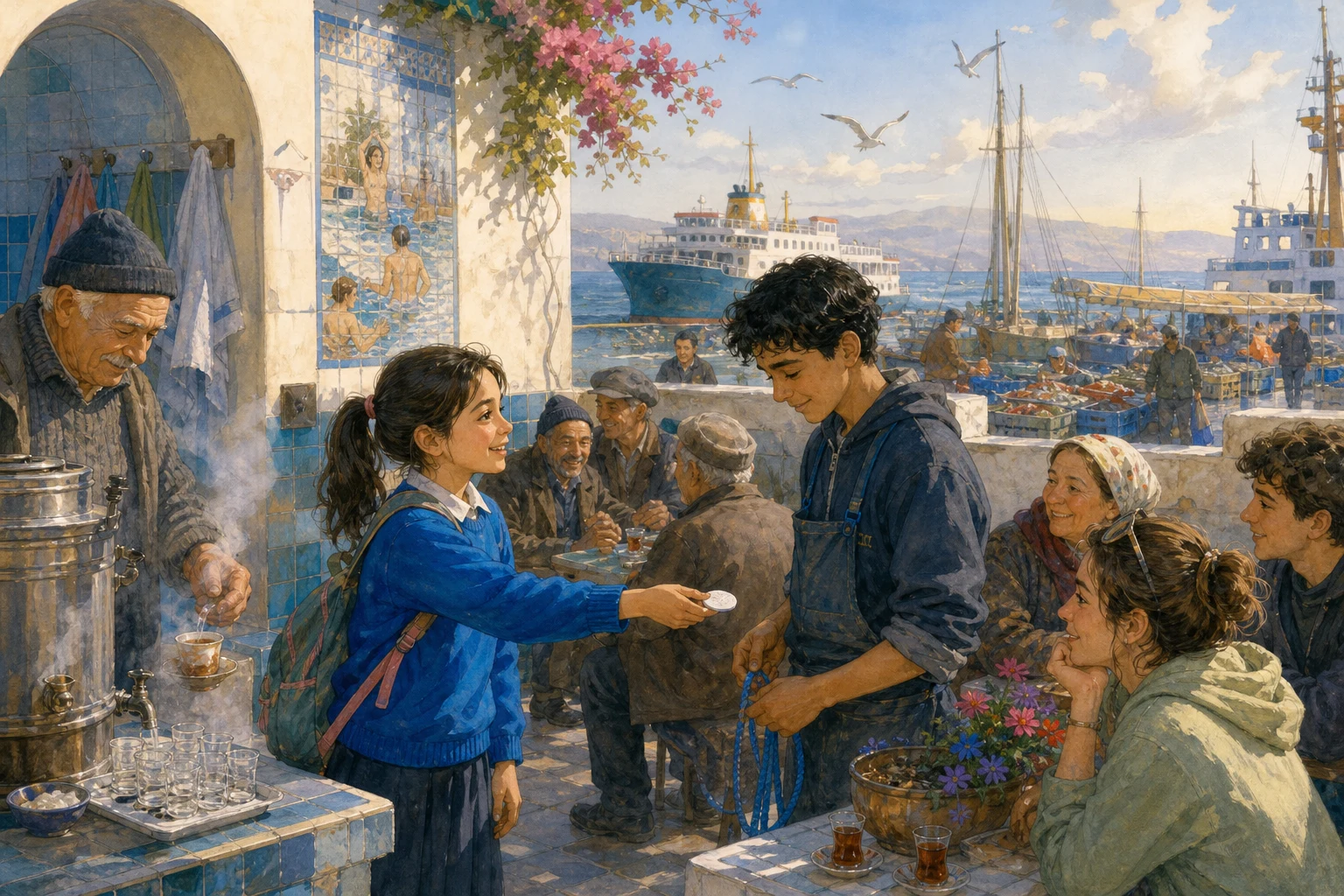
The Hour Nobody Owned
Mina’s first community hour is lively, crowded, and almost entirely controlled by the loudest guests. A ferry cleaner, a brass token, and one patient adjustment teach her what true hospitality requires.
Read Story →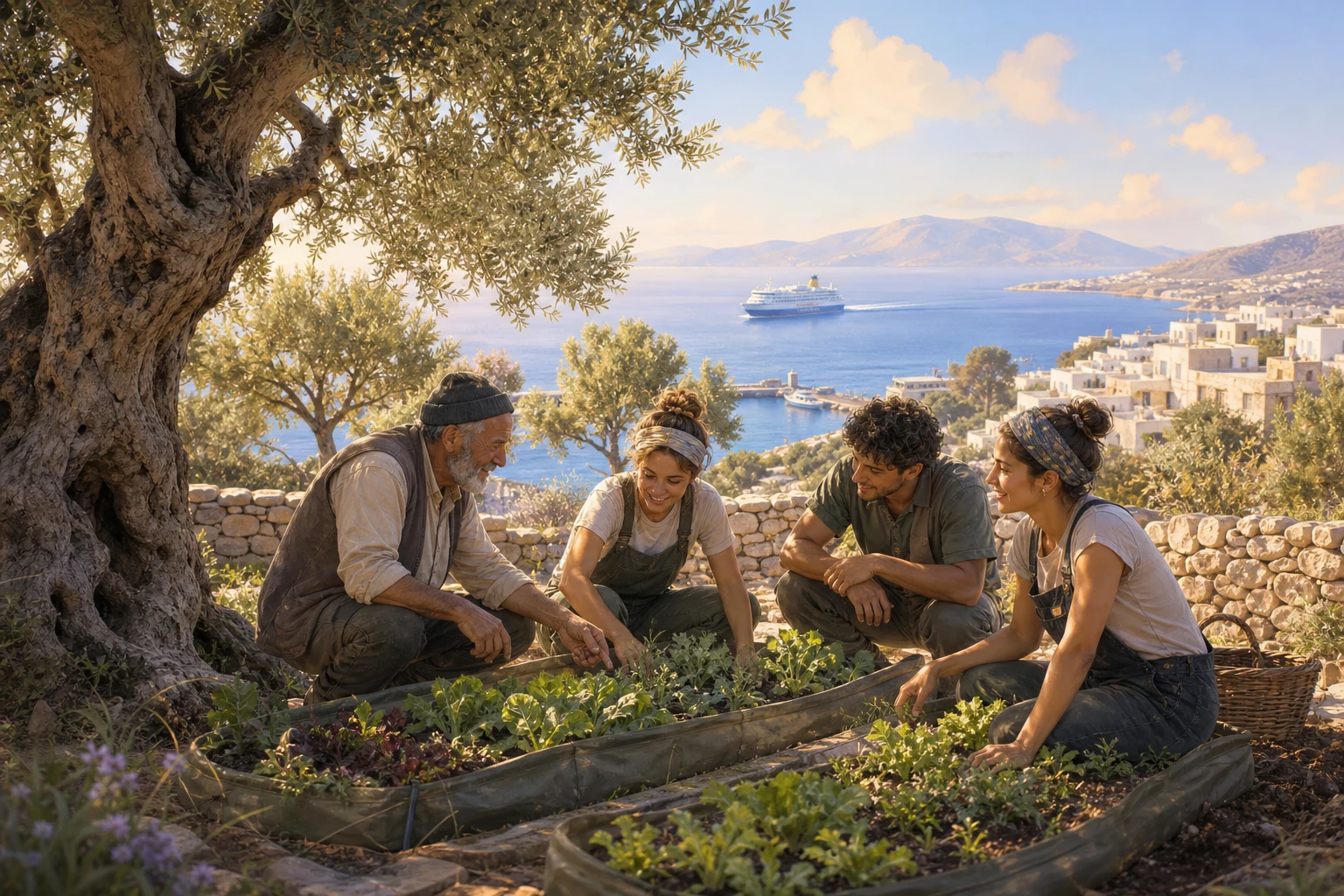
Where the Shade Falls
Tomas had already measured the orchard for sale when three young workers asked whether they could borrow it for one afternoon.
Read Story →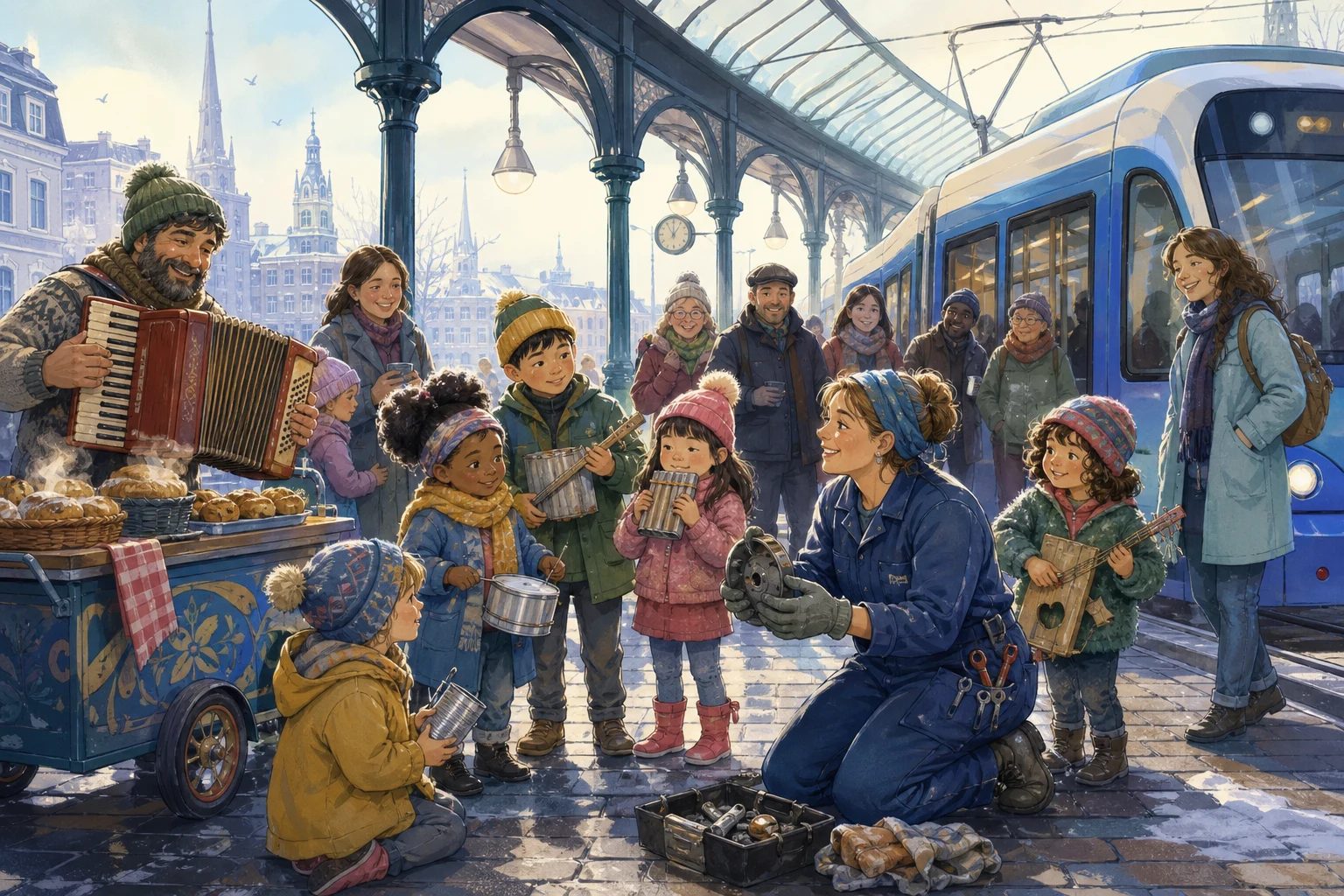
A Tune for Every Pocket
Celia could repair almost anything with a spring, a screwdriver, and enough patience. Her niece’s silence in music class required something different.
Read Story →