
Quote Stories
When the Horns Fell Silent
Jun’s mistake becomes the beginning of a shared language on the water.

“Again,” Grandmother Lio said. “Slowly this time.”
Jun pressed the leather bellows beneath his elbow. The ferry horn gave a weak, embarrassed wheeze.
Around the floating workshop, the canal city was preparing for its evening procession. Lantern boats waited under the bridges. Musicians tuned flutes on the market steps. Ferry workers polished their brass signal horns until they shone like small suns.
Jun wanted one of those horns to sound because of him.
He had spent the afternoon replacing the cracked reed inside a spare horn. His fingers were oily, his instructions smudged, and the reed had split when he tightened the screw. Rather than tell Grandmother Lio, he wrapped the horn in a cloth and slid it behind a stack of rope.
At dusk, the procession began.
The first boats moved beneath the Willow Bridge. A long horn note was meant to signal “crossing.” Two short notes meant “hold back.” Three bright bursts announced the musicians. But the opening horn produced only a cough. Another answered from the wrong direction. A lantern boat stopped sideways in the channel, and two others drifted toward it.
“Everyone pause!” called the ferry master.
The music faltered. Oars dipped uncertainly. For the first time, the crowded canal seemed too quiet.
Jun felt the hidden horn pressing against his thoughts.
He stepped onto the workshop deck. “I broke one,” he said.
Grandmother Lio looked at him. She did not scold. “Bring it here.”
Jun unwrapped the horn. The split reed lay inside like a thin brown leaf.
“We can mend it later,” said the ferry master. “But we still need signals.”
Jun glanced at the stalled boats, then at the children gathered along the bridge rail. “What if we test different sounds?”
The ferry workers brought three working horns. Musicians offered drums, whistles, and a pair of wooden clappers. The children listened from the bridge and raised colored lanterns whenever a sound carried clearly over the water.
A deep horn traveled far but blended with the bridge bells. A whistle cut through the noise, though the youngest boat crews could not hear it beneath the market awnings. The clappers were unmistakable up close. Jun suggested combining them: one deep note with two claps for “crossing,” two short horn notes for “hold,” and a rising flute phrase for “celebration.”
They tested the code between the bridges. They tested it around corners. They tested it with the musicians playing loudly and the market sellers calling out prices.
By moonrise, every crew had practiced it once.
The procession started again. One deep note rolled beneath the Willow Bridge. Two claps answered. The boats moved neatly through the opening. At the next bend, two short horn notes held the traffic while a flower boat passed. Then the flutes rose, the drums joined, and the lanterns began to glide.
Grandmother Lio stood beside Jun at the workshop rail. “You did not repair the horn,” she said.
“No,” Jun replied. “I helped find out what the horns were for.”
She placed the cracked horn in his hands. “Then tomorrow we repair this one together.”
Below them, the canal filled with music and signals that everyone understood. Jun listened carefully. Each sound left room for another sound to answer.
Related Quote Stories
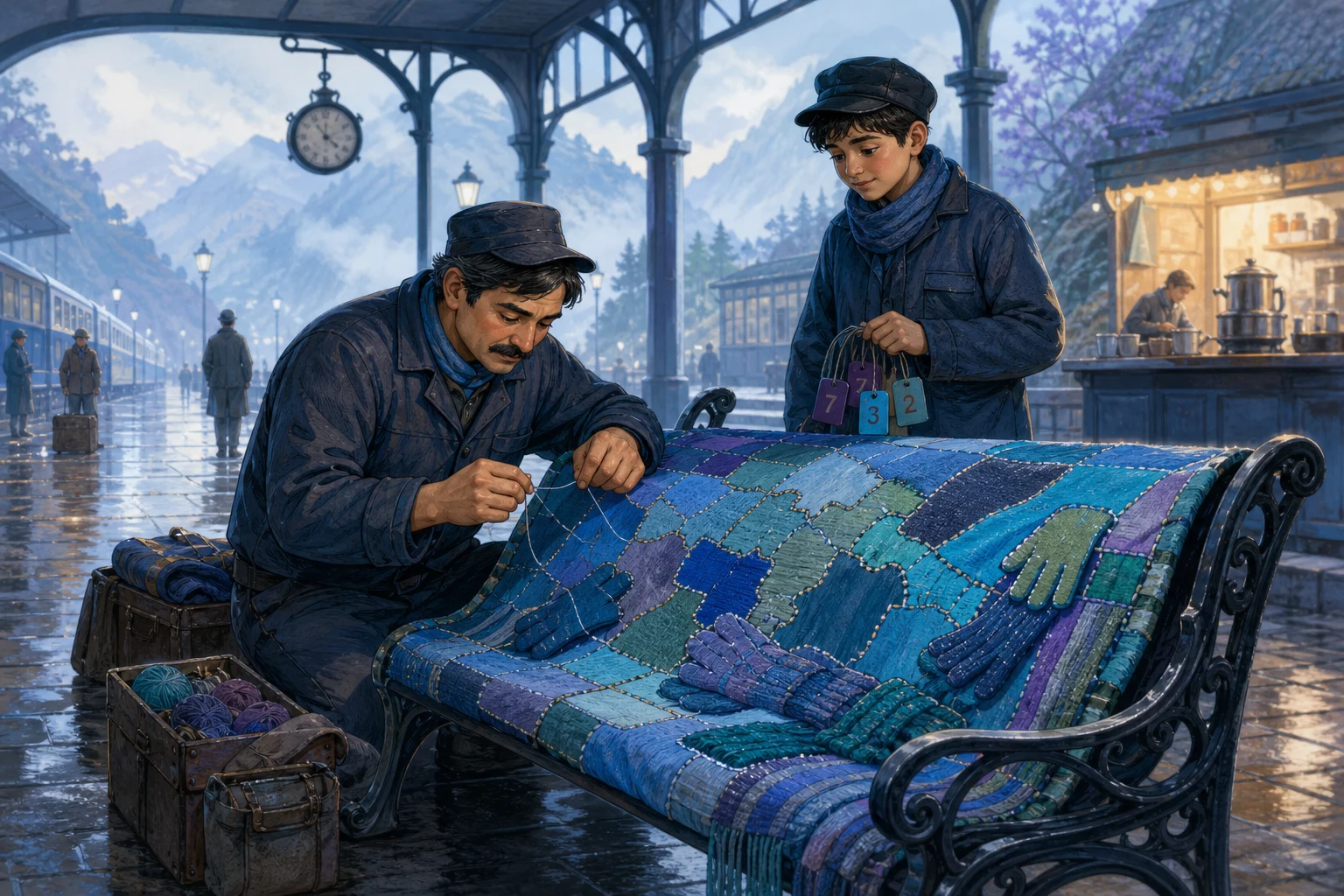
A Map Woven in Blue
Ilya’s patchwork bench covers began with lost gloves and ended as a map everyone could help complete.
Read Story →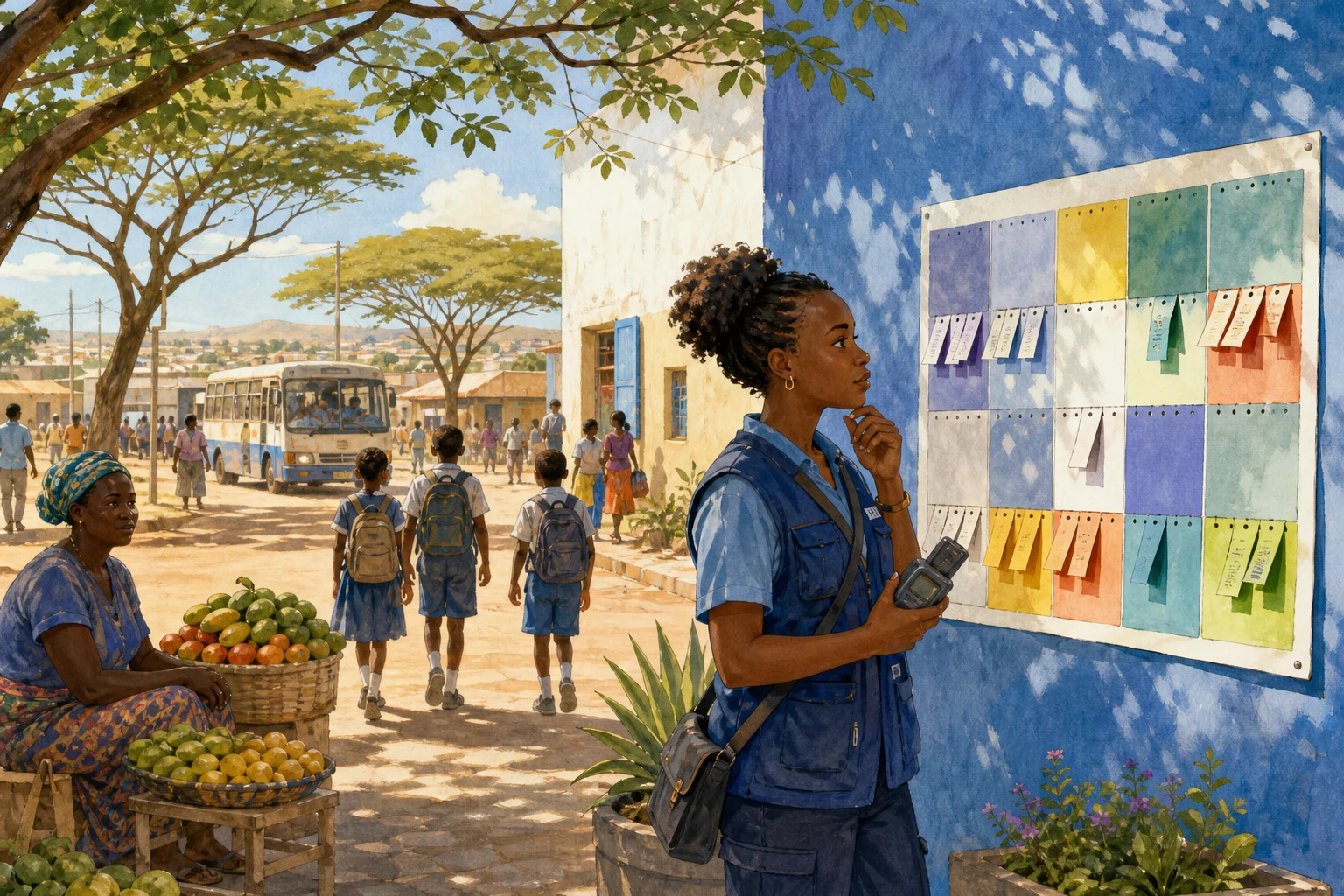
Tabs in the Wind
Kito’s first calendar was neat, accurate, and almost useless. The second one belonged to everyone.
Read Story →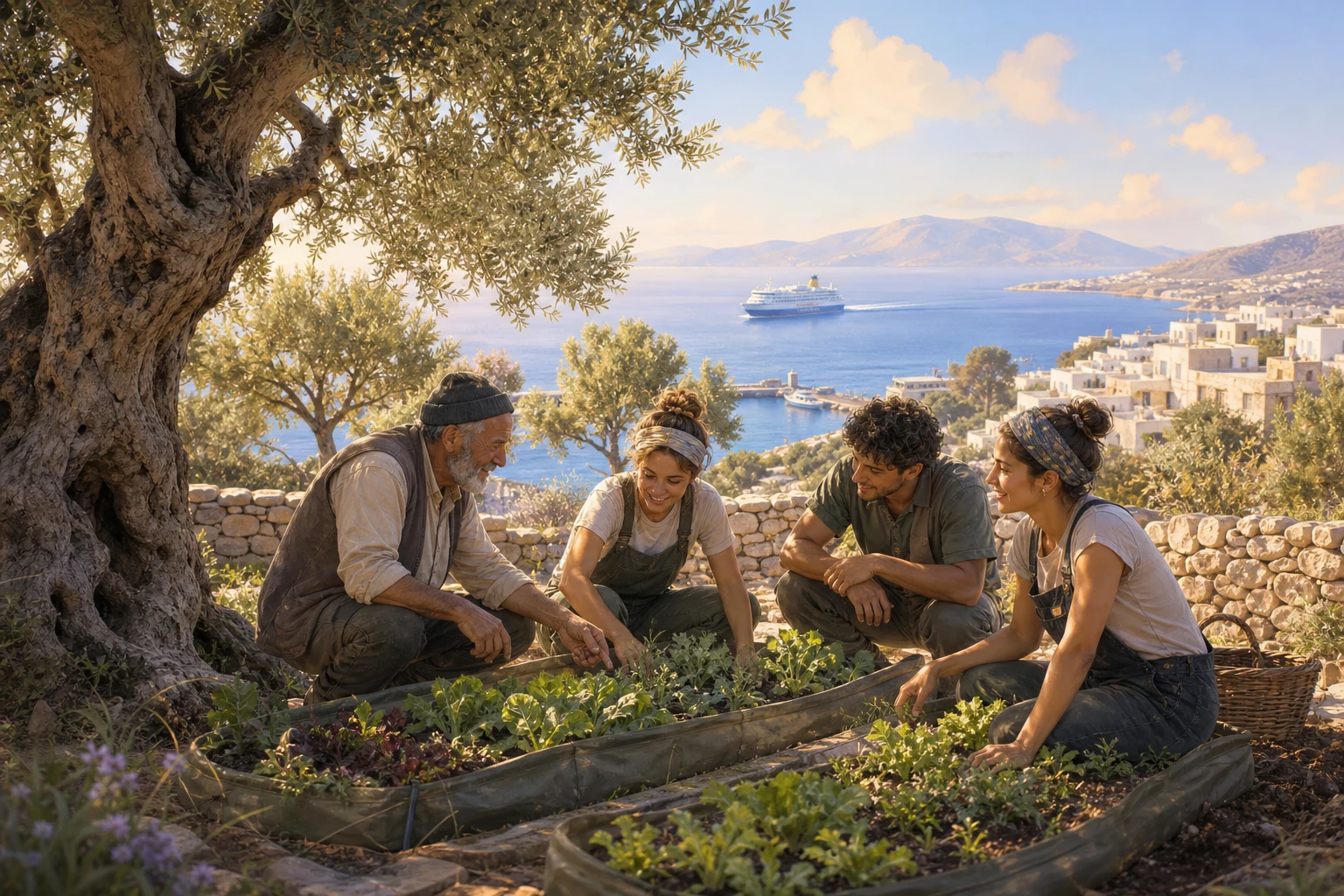
Where the Shade Falls
Tomas had already measured the orchard for sale when three young workers asked whether they could borrow it for one afternoon.
Read Story →